If you are missing a tooth, you have probably heard that dental implants are the best option for replacement. They look natural. They feel like your own teeth. And they do not require grinding down adjacent teeth as a bridge does.
But the question we hear most often is this: How long do dental implants in Hendersonville last?
With proper care, a dental implant can last 30 years or even a lifetime. That longevity does not happen by accident. At Orchard Hill Dental in Hendersonville, NC, Dr. Jessica Christy will work with you to understand how long your implants will last. She can also give you tips to keep your implants lasting for years.
What Makes a Dental Implant Different?
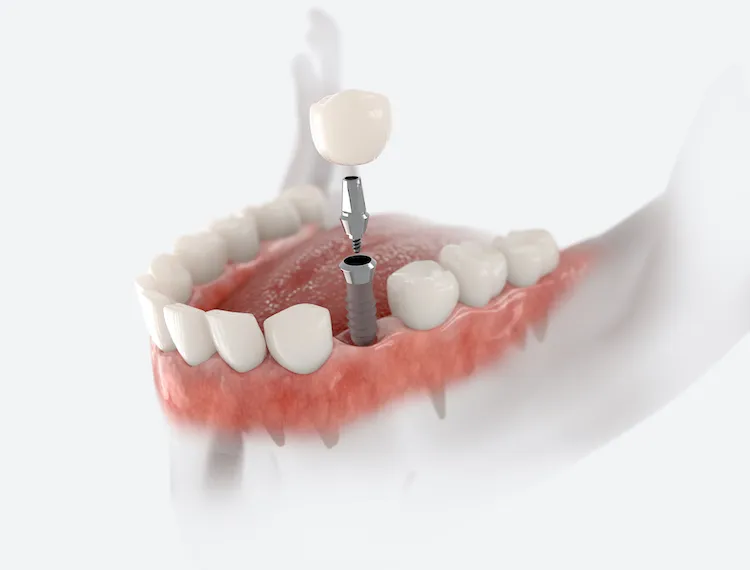
A dental implant has two main parts. The first part is the titanium post that goes into your jawbone. The second part is the porcelain dental crown that sits on top of the post.
The post is designed to fuse with your bone through a process called osseointegration. That fusion is incredibly strong. Once the bone heals around the post, which usually takes three to six months, the post itself is permanent.
The crown on top experiences normal wear and tear from chewing, biting, and grinding. Most crowns last 10 to 15 years before they need replacement. The post, however, can last a lifetime.
So when patients ask how long do dental implants last, the honest answer is that the post can last forever, but the crown will eventually need attention. With good care, you can maximize the life of both.
Five Factors That Affect Implant Longevity
Several factors determine how long dental implants last for each patient. Understanding these factors helps you protect your investment.
1. Your Oral Hygiene Routine
Just like natural teeth, implants need daily cleaning. Plaque and bacteria can build up around the gumline. If left alone, they can cause peri-implantitis. This is a form of gum disease that affects the tissue and bone around the implant.
What you can do: Brush twice and floss around the implant. Consider a water flosser to clean hard-to-reach spots.
Regular checkups are important too. Our hygienists will clean areas you might miss at home. Dr. Christy and her team will show you the best techniques for keeping your implant clean.
2. Your Bite and Grinding Habits
Do you clench or grind your teeth at night? This condition is called bruxism. It can put excessive pressure on your implant crown. While the titanium post is tough, the porcelain crown can chip or crack under repeated force.
What you can do: If you grind, talk to us about a custom nightguard. It is a simple, affordable investment that can double the life of your crown. Dr. Christy has advanced training in orofacial pain and TMJ disorders. She can help identify grinding habits and protect your implant from unnecessary stress.
3. Lifestyle Choices
Smoking is one of the biggest threats to implant longevity. Tobacco restricts blood flow to your gums and bone. That slows healing and increases the risk of infection after placement. Long term, smoking contributes to bone loss around the implant.
What you can do: If you smoke, quitting before and after implant surgery greatly improves your odds of success. Even reducing your tobacco use can make a difference. Dr. Christy and her team will give you honest advice about how smoking affects your implant.
4. The Skill of the Person Placing It
This factor matters more than many patients realize. An implant placed with precision, in the right position, at the right angle, with the right bone support will simply last longer.
Dr. Christy uses advanced CBCT 3D imaging to plan every implant placement before she touches your mouth. That technology gives her a detailed map of your jawbone, nerves, and sinuses. It means fewer surprises, better bone support, and a stronger foundation for your implant from day one.
Our team at Orchard Hill Dental includes Dr. Brad Stone, a board-certified anesthesiologist. He provides sedation options for patients who feel anxious about implant surgery.
5. Regular Maintenance Visits
Implants need checkups just like natural teeth. During your routine visits, we will check the crown for wear. We will also examine the gum tissue and take X-rays to monitor the bone around the post.
Early detection of small problems means they do not turn into big ones. When patients ask how long do dental implants last, we tell them that regular maintenance is the key to decades of use.
Warning Signs to Watch For
Even with good care, problems can arise. Watch for these warning signs.
- Bleeding or swelling around the implant
- Pain when chewing or biting
- A loose feeling in the implant
- Gum recession around the implant
- Persistent bad breath or a bad taste
If you notice any of these signs, contact our office right away. Early intervention can save your implant.
How Orchard Hill Dental Supports Your Implant Longevity
At Orchard Hill Dental, we take a team approach to implant care. Dr. Christy brings her Air Force trained precision and her advanced education in orofacial pain. Dr. Stone provides safe, comfortable sedation for nervous patients.
We also use the latest technology. Our CBCT scanner gives us a 3D view of your jaw. Then the intraoral scanner creates digital impressions without messy putty.
We are proud to serve as your dentist Hendersonville NC patients can trust. We treat every patient like family.
Protecting Your Investment
A dental implant is an investment in your health and confidence. With proper care, that investment can last for decades.
Here is a quick summary of how to protect your implant.
- Brush twice daily with a soft toothbrush
- Floss around the implant every day
- Use a water flosser for extra cleaning
- Wear a nightguard if you grind your teeth
- Avoid smoking or using tobacco
- Visit us regularly for checkups and cleanings
- Call us if you notice any problems
Ready to Start the Conversation About Implants?
If you are considering a dental implant or if you have one and want to make sure it is in great shape, give us a call at (828) 247-7001. You can also request an appointment with us online. At Orchard Hill Dental, we are here to help you understand how long implants last and what you can do to maximize their lifespan.